Every serious angler knows that bass and other predators don't just rely on sight—they use vibration, sound, and subtle movement cues to zero in on prey. Skirts and rattles are two of the most effective components you can add to your jigs, spinnerbaits, and swimbaits to trigger more strikes. Whether you're building your own lures from scratch or customizing store-bought ones, understanding how these components work together will dramatically improve your success on the water.
Understanding Skirts: More Than Just Flash
A skirt is a bundle of strands—typically made from silicone, rubber, or living rubber—that is attached to a lure to create bulk, movement, and visual attraction. The primary function of a skirt is to mimic the profile of prey like crawfish, baitfish, or even a fleeing lizard. As the lure moves through the water, the strands undulate and pulse, creating a lifelike action that draws attention from nearby fish.
Skirts also serve a practical purpose: they help conceal the hook and provide a larger target for the fish to strike. When a bass engulfs a jig, it's often reacting to the overall silhouette created by the skirt, not just the hook. This is why choosing the right skirt length, thickness, and color can mean the difference between a follow and a hookup.
Skirts come in two main styles: pre-made skirts that slide over the hook shank, and hand-tied skirts that are built strand-by-strand for ultimate customization. Pre-made skirts are convenient and consistent, while hand-tied options allow anglers to mix materials and colors precisely. Both have their place, and many tournament anglers prefer to tie their own to match local forage perfectly.

Types of Skirt Materials
Not all skirt materials perform the same way. The three most common are silicone, rubber, and living rubber, each with distinct characteristics that affect action, durability, and appearance.
- Silicone Skirts: The most popular choice for bass fishing. Silicone strands are soft, flexible, and come in virtually every color imaginable, including translucent and metallic flakes. They have excellent action in the water and are resistant to melting even when stored in hot tackle boxes. Silicone skirts are also easy to trim or layer for custom patterns. However, they can be slightly less durable than rubber and may tear if bitten aggressively.
- Rubber Skirts: Traditional rubber (often called “round rubber”) is denser and provides a more subtle, natural movement. It doesn't flare as much as silicone but has a slower, more gliding action that can be deadly in cold water or when fish are pressured. Rubber skirts are also tougher and can withstand many fish. The downside is they can melt if exposed to high heat, so storage matters.
- Living Rubber Skirts: A hybrid that combines the best of both worlds. Living rubber is made from a mix of natural and synthetic rubbers that offer a lively action similar to silicone but with increased durability. It's often used in custom jig tying because it holds its shape well and can be manipulated with heat to create a flared collar. Living rubber is a favorite among jig makers who want a premium look and feel.
Some skirts are also made from vinyl or other plastics, but these are less common. When selecting a skirt, consider water clarity, temperature, and the forage you're imitating. In clear water, thinner silicone strands with subtle translucent colors work well; in murky water, thicker strands with bold, opaque colors and added flash are better.
Rattles: Adding Sound to Your Lure
Rattles are small chambers, usually made of glass or plastic, that contain beads or shot. When the lure moves, the beads bounce inside and produce a clicking or rattling sound. This noise mimics the sound of prey struggling or the vibrations of crawfish scuttling along the bottom. In stained water or low-light conditions, rattles can be the key factor that triggers a strike.
There are two main types of rattles: internal and external. Internal rattles are molded into the lure body or inserted into a cavity, while external rattles are attached to the hook shank or skirt collar. External rattles are easy to add to almost any jig or spinnerbait and can be swapped out depending on conditions. Some anglers prefer a single loud rattle, while others use multiple small rattles for a higher-pitched sound.
The sound frequency matters. Low-frequency, deep clacking works well for largemouth bass, while high-frequency ticking can attract smallmouth and spotted bass. The size of the rattle and the material of the beads (glass vs. brass vs. plastic) affect the pitch. Glass beads produce a sharper, higher-pitched sound; brass beads give a deeper, metallic clack. Experimenting with different rattles can help you dial in what fish want on any given day.
A pro tip from the water: in cold, clear lakes, sometimes less is more. Start with silent or very subtle rattles, and only add louder sound if you're not getting bites. Conversely, in muddy water, go loud and obnoxious—the vibration will help fish find your lure from a distance.
Combining Skirts and Rattles with Hooks
The real magic happens when you pair the right skirt with the right rattle and mount them on a quality hook. For example, a jig with a heavy Owner Beast Weighted Hook benefits from a full silicone skirt and a medium-sized rattle. The weighted hook provides the keel weight to keep the jig upright, while the skirt flares on the fall and the rattle calls fish in from cover.
If you're building a tube jig, consider a Tube Jig 90° 4/0 Red Gamakatsu 1/4 oz as your base. Tube jigs often use a skirt only on the collar, but adding a small rattle inside the tube body can increase attraction. The 90° bend hook is ideal for tube fishing, and the red finish acts as a strike trigger. A short, sparse skirt around the collar mimics the legs of a crawfish and works perfectly with a small glass rattle.
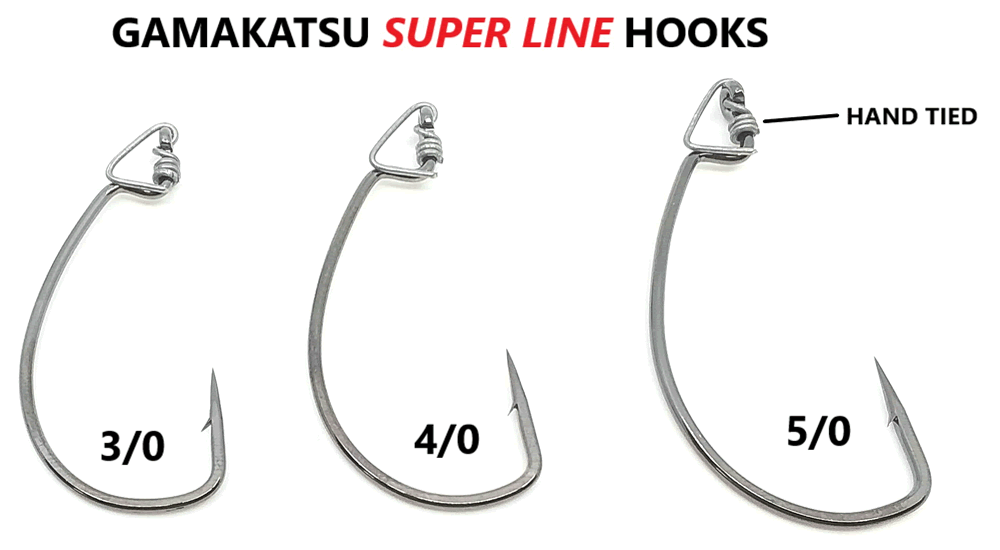
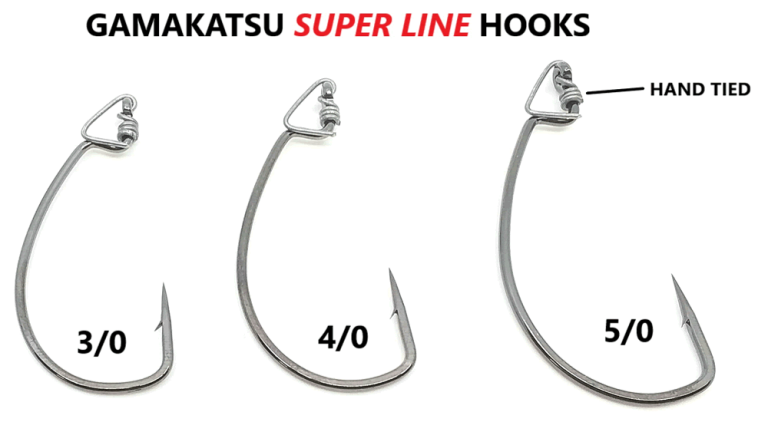
For swimbaits, a Swimbait Head 5/0 Gamakatsu 1/8 oz paired with a silicone skirt that trails behind the swimbait body creates an undulating, injured-bait profile. Adding a medium rattle to the hook shank gives it an extra dimension. The light weight of the head allows a slow, natural fall, and the skirt adds bulk without killing the action.
Customization Tips for Anglers
Customizing skirts and rattles is where you can truly separate yourself from other anglers. Start by selecting a skirt color that matches the local forage. In most lakes, green pumpkin, brown, and black/blue are staples. Then add a few strands of contrasting color for flash—chartreuse, orange, or red can make a big difference when fish are following but not committing.
Don't be afraid to trim your skirts. Many anglers leave skirts too long, which can cause short strikes. Trim the outer strands slightly shorter than the inner strands to create a tapered look, or leave a few strands longer to mimic a tail. You can also layer multiple skirts for extra bulk; just be sure to secure them with a quality collar or wire tie.
When adding a rattle to a jig, slide it onto the hook shank before adding the skirt. Some rattles have a split ring or clip, while others simply slide on and are held in place by the skirt collar. For spinnerbaits, you can attach a rattle to the hook or use a rubber band to secure one to the arm. The key is to ensure the rattle doesn't slide around and interfere with hooksets.
Maintenance and Storage
Proper care of your skirts and rattles will extend their life. Silicone skirts can become stiff if stored in freezing temperatures, but they return to normal once warmed. Avoid leaving tackle boxes in direct sunlight for long periods, as rubber skirts can melt. If a skirt becomes tangled, simply soak it in warm water and gently comb through the strands with your fingers or a wide-tooth comb.
Rattles can crack or leak if crushed in a tackle box. Store them in a separate compartment or a small hard case. If a rattle stops making noise, it may have water inside; a quick shake will tell you. Replace any rattles that are damaged to maintain the lure's effectiveness.
Finally, organize your components by type and size so you can quickly find what you need. Keep a variety of skirt colors and rattle sizes on hand, and you'll be ready to adapt to changing conditions on the water.